
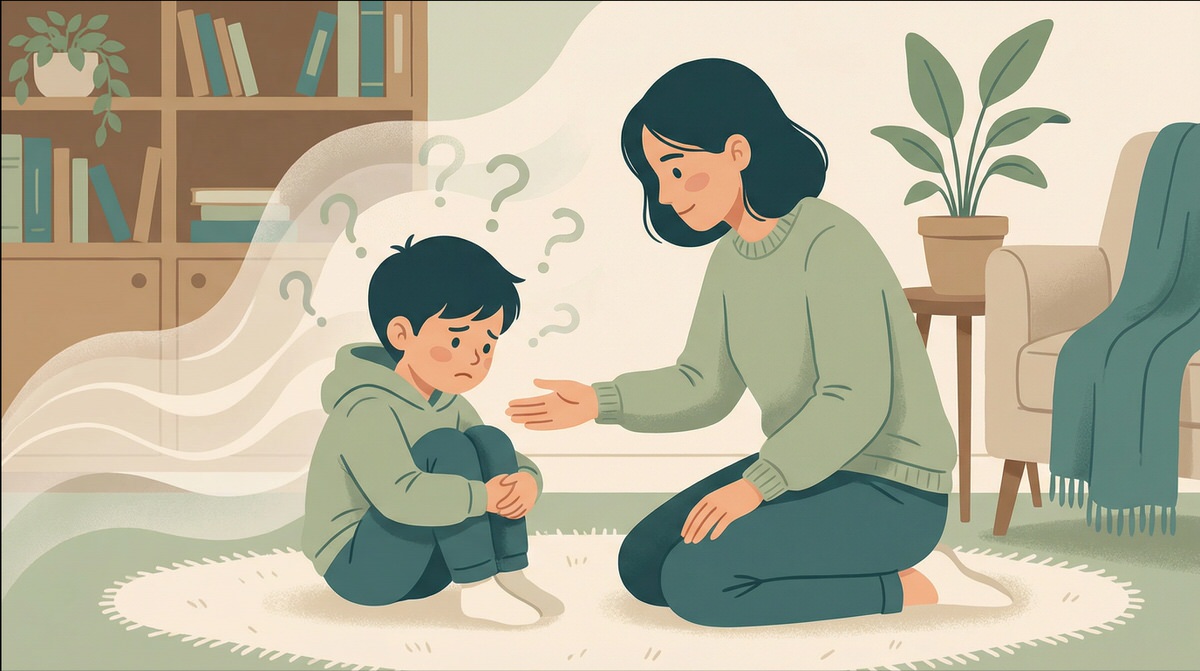
“Do your homework.” “Clean your room.” “Hurry up.” For most parents, these are everyday requests. But if you have a child with a Pathological Demand Avoidance (PDA) profile, these simple demands can trigger extreme anxiety and an overwhelming need to avoid them at all costs. It can be confusing and frustrating, often looking like defiance or opposition. However, PDA is not a choice; it’s a different way of coping with stress and anxiety.
Neuro Affirming support starts with understanding. Let’s explore what PDA is, what it isn’t, and how you can best support a child with this profile.
What is Pathological Demand Avoidance (PDA)?
Pathological Demand Avoidance is widely understood as a profile on the autism spectrum. It is characterized by an extreme, anxiety-driven need to avoid the everyday demands of life. For a child with PDA, the brain perceives a demand not as a simple request, but as a threat that triggers a fight, flight, or freeze response. This isn’t a conscious decision to be difficult; it’s an instinctive reaction to feeling a loss of control.
Common Signs of a PDA Profile
While it can look different in every child, some common signs include:
- Resisting and Avoiding Everyday Requests: This can range from subtle avoidance to outright refusal.
- Using Social Strategies to Escape Demands: Children with PDA are often highly social and may use negotiation, distraction, humor, or even role-play to get out of a demand.
- Sudden Outbursts or Meltdowns: When feeling pressured, the intense anxiety can lead to sudden, explosive outbursts that seem to come out of nowhere.
- Appearing in Control While Masking High Anxiety: A child might appear calm, bossy, or charming on the surface, but underneath they are paddling furiously to manage their anxiety and maintain a sense of control.
What PDA is NOT
It is crucial to understand that PDA is not a behavioral issue. Shifting your perspective is the first step toward providing effective support. PDA is:
- Not Laziness: A child with PDA is not lazy. Their avoidance is driven by a neurological need to feel safe and in control, which can be exhausting.
- Not Bad Behavior: The behaviors associated with PDA are a manifestation of anxiety, not a deliberate attempt to be “bad” or malicious.
- Not Simply Oppositional: While it can look like oppositional defiance, the root cause is anxiety, not a desire to defy authority for the sake of it.
How to Support a Child with a PDA Profile
Traditional parenting strategies that rely on rewards and consequences are often ineffective for children with PDA. Instead, a neuroaffirming approach that prioritizes trust and emotional safety is key. Here’s how you can help:
- Use Collaborative and Flexible Approaches: Work with your child, not against them. Frame requests as a team effort. Instead of “You need to do your homework,” try “How can we tackle this homework together?”
- Give Choices and Share Control: Demands often feel threatening because they remove a child’s sense of autonomy. Offering choices, even small ones, can restore that sense of control. For example, instead of “Get dressed now,” ask “Do you want to wear the blue shirt or the green shirt?”
- Reduce Pressure and Allow Extra Time: The more pressure a child feels, the more their anxiety will spike. Lowering expectations, reducing the number of demands, and allowing plenty of time can make a world of difference. Use indirect language like, “I wonder if we could…” instead of direct commands.
- Prioritize the Relationship and Emotional Safety: Above all, a child with PDA needs to feel safe and understood. Focus on building a strong, trusting relationship. When your child feels connected and emotionally secure, their capacity to handle demands will naturally increase.
Understanding PDA is a journey. It requires patience, flexibility, and a willingness to see the world through your child’s eyes. By shifting your approach from one of control to one of collaboration, you can create an environment where your child feels safe, supported, and understood.
If this profile resonates with you and you’re looking for guidance, you are not alone. Contact CARES for a consultation to learn how we can support your family.